Pre-launch · Pharma packaging & label artwork
Every up on the sheet, checked against the approved artwork.
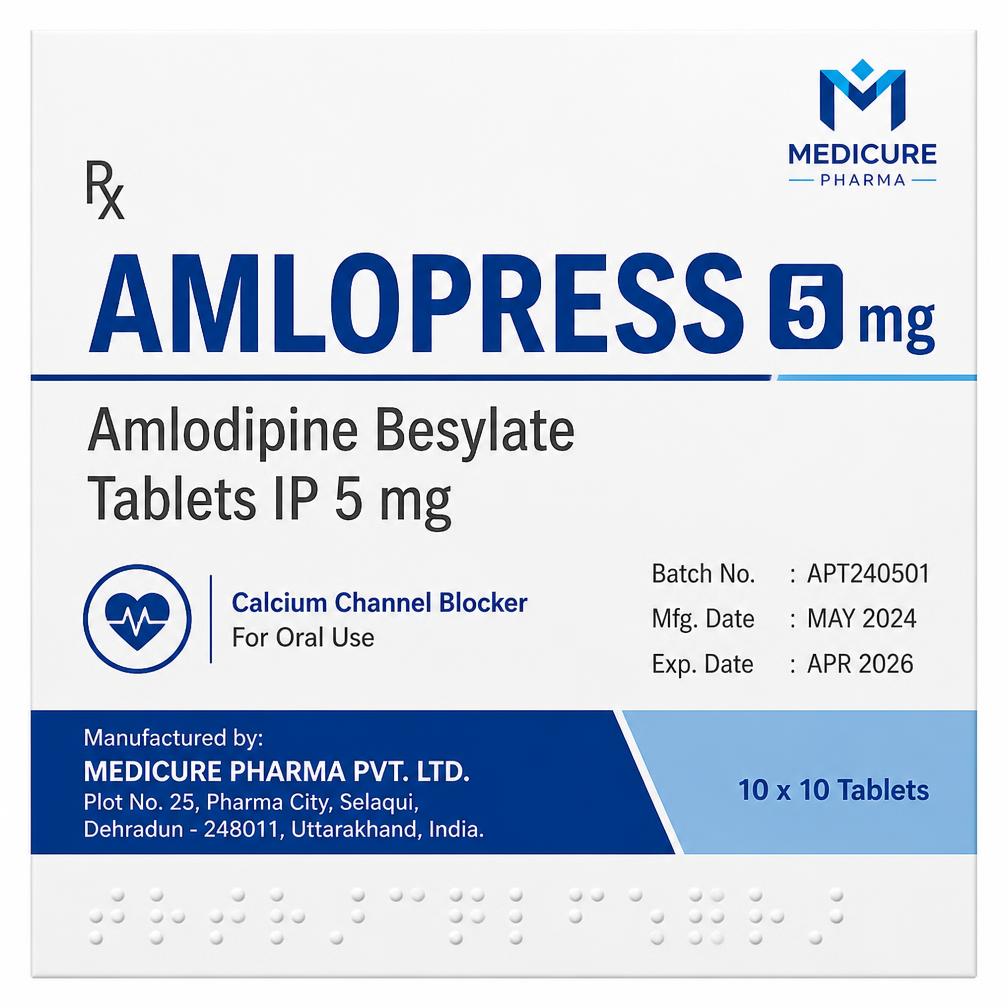
Built for pharma cartons, leaflets and labels. Upload the artwork of record and one scan of the press sheet — PrintCheck AI verifies text, Braille, barcodes, colour and registration on every up, and tells you exactly what deviated.
Compliance and data-handling proof points
Traceable by design
Master version, scan, measurement, tolerance and verdict retained per up — every result reconstructable for review.
21 CFR Part 11 aligned output
Timestamped, per-up reports with immutable verdicts, exportable for the batch record and electronic approval workflows.
Annex 11 / GAMP 5 friendly
Software-only, no change to press or line. Validation pack and IQ/OQ protocol templates ship with early access.
Data stays yours
Artwork and scans processed under your data agreement; never used to train shared models. EU hosting on request.
The report QA and the operator both sign off on
One row per flagged up. Deviation class, severity and the correction — content errors escalate as critical regardless of how good the print looks.
- UP 03Critical
Text deviation · dosage field
Carton reads '5 mg' where the approved artwork specifies '5 mg/ml'. Content mismatch in a regulated field — quarantine the sheet and stop the run before any further impressions.
- UP 07Major
Braille · Marburg Medium
Dot height is flattened on the last two cells of the product name; spacing is 0.3 mm tight against Marburg Medium. Likely embossing pressure — re-check the tool before the batch is packed.
- UP 11Minor
Color drift · ΔE 4.2
Brand blue reads ΔE2000 4.2 against master, trending light. Inside the brand owner's tolerance but drifting across the last three sheets — check ink viscosity.
How it works
Upload the approved artwork
The artwork of record — signed-off PDF, proof or approved press sheet. It sets the reference geometry, the content and the colour target.
Upload the sample sheet
One scan of the full sheet, all ups included. PrintCheck detects the repeat, splits each up and registers it to the master sub-pixel.
Read the per-up verdict
Diff maps, defect classification, severity and a plain-English note per up — with a timestamped record you can file against the batch.
What it checks
Regulated content and press faults on the same pass — not generic image anomalies.
Text & content deviation
Character-level compare against approved artwork: strength, dosage, batch fields, language variants, hyphenation and line breaks.
Barcode & serialisation
GS1 / Data Matrix decode, grade and quiet-zone check, plus GTIN and expiry field match against the artwork record.
Braille
Dot count, spacing and Marburg Medium conformity, translated back to text and matched to the carton name and strength.
Misregistration
Plate-to-plate offset in microns, per station and per up — the usual cause of doubled keylines.
Color / ΔE drift
ΔE2000 against the master across brand solids, tints and spot colours.
Ghosting
Repeating low-density echoes from ink starvation or anilox loading.
Streaking
Doctor-blade lines and directional banding across the web.
Pinholing
Voids in solids from dust, foam or substrate wetting failure.
Mottling
Uneven ink lay in flats, flagged by local density variance.
Built for regulated packaging
Pharma packaging
A wrong strength, a missed language variant or an unreadable Braille panel is a recall, not a reprint. Every up is compared character-for-character against the approved artwork, with a signed record for the batch file.
Artwork & prepress teams
Version drift between the approved PDF, the plate and the press sheet is where errors enter. Check the printed sheet against the artwork of record instead of a proof someone marked up by hand.
Label converters & flexo printers
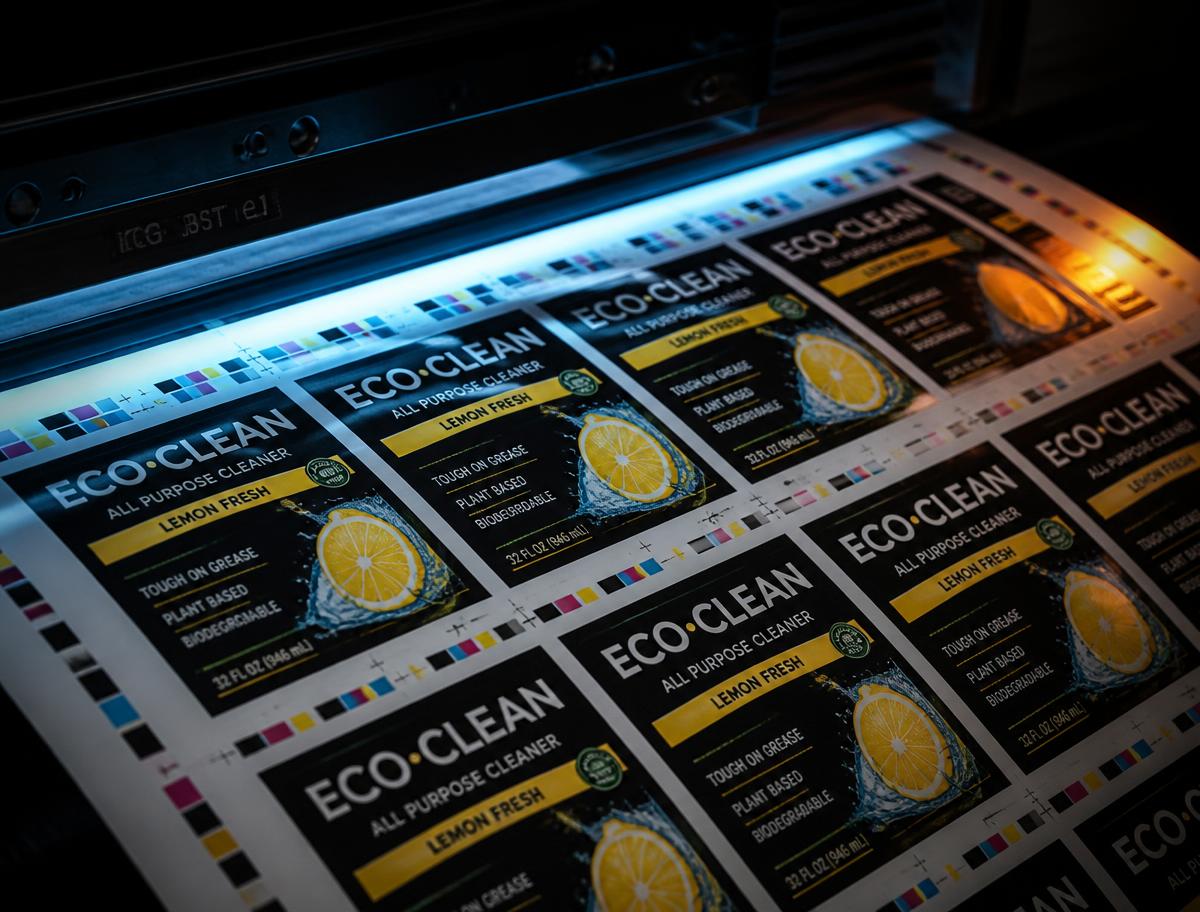
Sixteen ups, one bad one. Manual QC checks up 1 and hopes. PrintCheck checks all of them, every sheet you feed it, before the substrate is gone.
$10M–$30M
average direct cost of a single FDA Class II pharma recall — retrieval, destruction, replacement and lost profit, before litigation (industry estimates)
~50%
of drug recalls trace back to labelling and packaging faults — wrong strength, missed variant, unreadable code (FDA recall analyses)
5–15%
of substrate is typically lost per flexo run to makeready and late-caught defects — board and foil you have already paid for
Sources: industry recall-cost estimates; FDA recall cause analyses; flexo trade-press waste benchmarks
One inspection engine, many industries
Anywhere a reference exists and copies are produced in repeat, PrintCheck AI can compare master to sample and flag what deviated — not just print, not just packaging.
Pharma & medical packaging
Cartons, leaflets and labels checked against the approved artwork — dosage text, Braille, GS1 and ΔE on every up, before the batch runs on.
- Master
- Approved artwork of record, v7 — 16-up carton sheet
- Sample
- First-pull scan from the flexo line, 300 dpi
Sample diff report · Pharma · 3 of 3 shown
- UP 03Text deviation · dosage fieldCritical
Reads '5 mg' where the artwork specifies '5 mg/ml'. Content mismatch in a regulated field — quarantine the sheet and stop the run.
- UP 07Braille · Marburg MediumMajor
Dot height flattened on the last two cells of the product name; spacing 0.3 mm tight. Likely embossing pressure — re-check the tool.
- UP 11Color drift · ΔE 4.2Minor
Brand blue reads ΔE2000 4.2 against master, trending light. Inside tolerance but drifting across three sheets — check ink viscosity.
Same master-vs-sample diff · same per-repeat verdict · same audit-ready report
From pilot pressrooms
What pharma packaging teams say
Feedback from early-access QA, prepress and production teams running PrintCheck on live flexo and carton work.
“We used to light-booth the first sheet and sign off the run. PrintCheck caught a strength field that read '5 mg' instead of '5 mg/ml' on up 3 of a first pull — before a single carton was packed.”
QA Manager
Secondary packaging, generics manufacturer · EU
“The Braille check is what sold me. We had an embossing wear issue across a plate that nobody flagged by eye; the per-up Marburg spacing report made it undeniable and we re-plated that shift.”
Prepress Lead
Folding-carton converter · 3 flexo lines
“Operators trust it because it speaks press, not marketing. ΔE trend before the threshold, registration window per job — the report goes straight into the batch record now.”
Production Director
Pharma label site · healthcare division
Questions from QA and the pressroom
How does this fit a pharma packaging artwork QC workflow?
The approved artwork of record is the master. At first pull, and at each periodic sheet pull, the operator scans the sheet and gets a per-up verdict against that master before the batch runs on. The output is a timestamped report you can attach to the batch record instead of a signed-off light-booth opinion.
Does it check text, Braille and barcodes, or only print quality?
Both. Content checks compare characters, dosage and strength fields, language variants and layout against the approved artwork; Braille is read for dot spacing and Marburg Medium conformity and translated back to text; barcodes are decoded and graded and matched to the GTIN on the artwork record. Print-quality checks — misregistration, ΔE2000 drift, ghosting, streaking, pinholing, mottling — run on the same pass.
What scan formats and resolutions are supported?
PDF, TIFF, PNG and JPEG for both master and sample, from flatbed scanners, inline web cameras or a copy-stand capture. 300 dpi or higher is recommended for ΔE, registration and Braille measurement; below 150 dpi, fine defects like pinholing and thin doctor-blade lines fall under the detection floor.
How does it know where each up starts and ends?
The repeat is detected automatically from the master geometry and the sheet's periodicity, including step-and-repeat layouts with mixed orientations and multi-language ganged runs. You can also draw the repeat once and save it to the SKU so every future sheet splits identically.
Will it flag normal press variation as a defect?
Tolerances are per job. Registration window and ΔE threshold are set to what the brand owner accepts, and anything inside passes silently — while regulated content fields such as strength, dosage and batch data are zero-tolerance and always escalate. Trend data across sheets shows drift building before it crosses the line.
Is it validation-friendly, and does it change our hardware?
It is software only and works from imaging you already have, so nothing about the press or line changes. Every check is traceable — master version, scan, measurement, tolerance and verdict are retained per up so the output can support an audit trail rather than replace your approval process.
We're not a printer — we make PCBs, textiles, or laser-marked parts. Will it work for us?
Yes. The core is a master-versus-sample, per-repeat image diff with content and colour checks. Anywhere a reference exists and copies are produced in repeat — electronics panels, woven labels, fabric runs, laser-etched data matrix on parts, food and beverage labels — you set the master, scan the sheet or tray, and get a per-item verdict and the same audit-ready report.
Getting started
Join the pressroom
No procurement marathon, no hardware install. Three steps from where you are now to a per-up verdict on your own sheets.
Request access
Leave your work email and company below. We onboard a handful of sites per month so every early team gets real attention.
Send one real job
Your approved artwork of record plus a scan of a press sheet from a current SKU. We run the diff with you on a call, on your own material.
Run it on the floor
A two-week pilot on your pressroom pulls — first sheets, periodic pulls, re-runs. You keep every report it produces.
Early access
We're onboarding a small group of pharma packaging sites and label converters before launch. No pricing yet — just one real sheet, the approved artwork, and honest feedback.
No spam · unsubscribe anytime